THE SIMULATION AND LEARNING RESOURCE CENTER
Welcome to Villanova Nursing's Simulation and Learning Resource Center
Cutting Edge of Information Synthesis
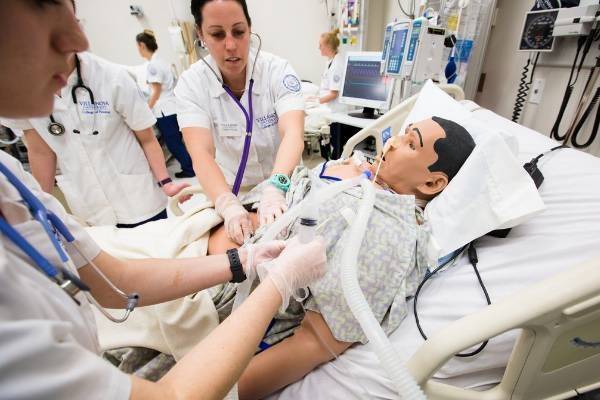
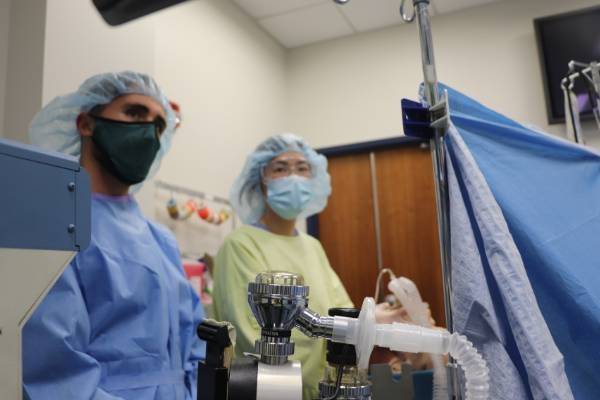
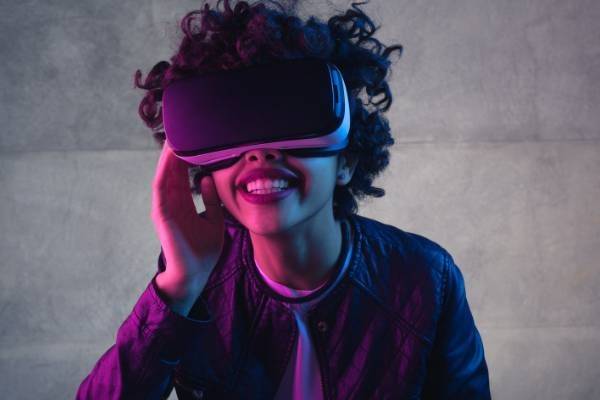
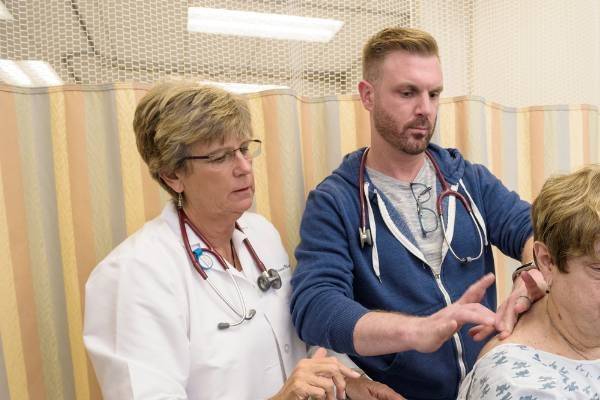
Preparing clinical leaders requires dynamic teaching-learning strategies. We are committed to nursing education best practices - integrating clinical simulation throughout the curriculum with the use of high fidelity mannequins, standardized patients and virtual reality experiences.
The result? Our students emerge as experienced, extraordinary and confident clinicians and leaders.
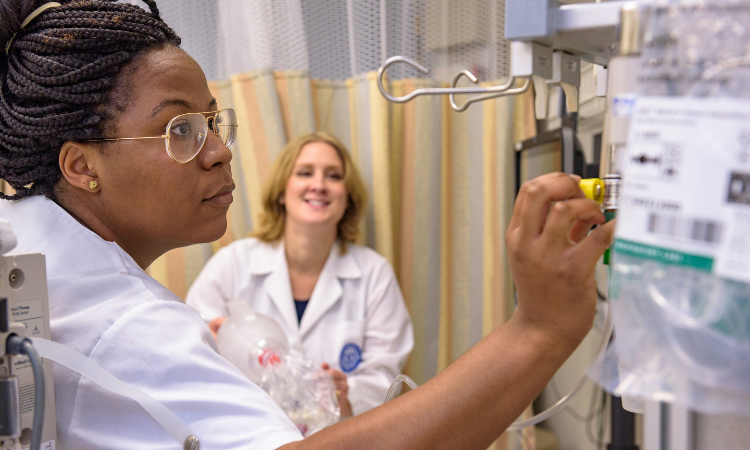
Simulation, following the International Association for Clinical Simulation and Learning Healthcare Simulation Standards of Best Practice™, is at the core of teaching-learning. The Fitzpatrick College of Nursing's 12,000 square foot Simulation and Learning Resource Center (SLRC) provides 3 examination rooms for standardized patient encounters, a fully-equipped operating room and 10 clinical simulation labs for:
- nursing practice skills
- health assessment
- pediatric health
- mental health
- population health
- home health
- adult health
- maternal/child health
- critical care nursing
- nurse anesthesia
- teaching/learning/evaluation
- individualized patient care experiences
- interprofessional teamwork
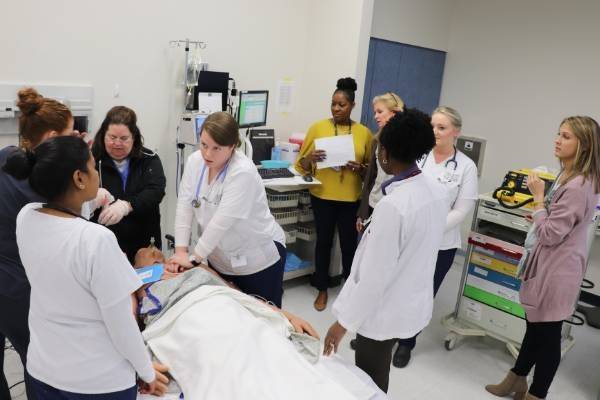
Using patient care scenarios, faculty model and facilitate the development of undergraduate and graduate students' skills of inquiry, clinical judgment and decision-making. Choosing appropriate assessment techniques and nursing interventions based on patient context, students manage the holistic care of patients, families and communities.

Mission
The mission of the Simulation and Learning Resource Center at M. Louise Fitzpatrick College of Nursing is driven by excellence in the science of simulation. The SLRC will advance participants’ skills of inquiry, professional knowledge, clinical judgment, and decision-making to improve population health inclusive of all persons through safe, ethical, and quality holistic patient-centered care.
Vision
The vision for the Simulation and Learning Resource Center is to be an excellent internationally recognized leader in simulation-based education and research for improving population health inclusive of all persons.